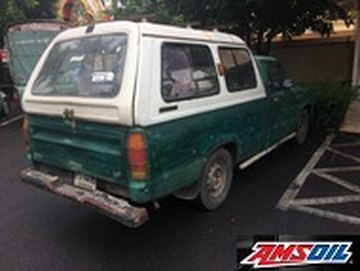
Engine Lubrication and Service for the 1982 Ford Trucks COURIER 2.3L
Maintaining a vehicle like the 1982 Ford Trucks COURIER requires a consistent approach to routine service and component monitoring. For those operating the 2.3L engine, staying ahead of lubrication needs and performing regular inspections can help ensure the mechanical integrity of the powertrain remains stable over time.
Monitoring Fluid Integrity and Potential Leaks
One of the most effective ways to monitor the health of a vehicle is through frequent visual inspections of the engine bay and undercarriage. For an older truck, observing how fluids behave can provide significant insight into the condition of various seals and gaskets. Rather than waiting for a visible puddle on the driveway, owners should look for signs of seepage or dampness around sealing surfaces.
When performing routine checks, pay close attention to the following:
- Sealing Surfaces: Inspect areas where different engine components meet for any evidence of oily residue or staining.
- Undercarriage Observations: Periodically check the ground where the vehicle is parked to identify any unexpected fluid loss.
- Fluid Appearance: If you are checking levels, note if the lubricant appears excessively dark, gritty, or contains visible contaminants, as this may indicate a need for more frequent service.
It is important to remember that many symptoms, such as an oily residue or a change in fluid color, can have multiple causes. A single observation should be treated as a prompt for further investigation rather than a definitive diagnosis of a specific component failure.
Managing Maintenance Records and Service History
For long-term ownership of a 1982 Ford Trucks COURIER, establishing a clear maintenance baseline is highly beneficial. If you have recently acquired the vehicle and do not have access to previous service logs, your first priority should be to document its current state. This involves recording the dates and details of every oil change, filter replacement, and mechanical repair performed moving forward.
A well-maintained history allows an owner to distinguish between routine preventive maintenance and repairs necessitated by sudden changes in vehicle behavior. By tracking when fluids were last changed and noting any observed trends—such as a gradual increase in lubricant consumption or the appearance of new leaks—you can make more informed decisions about when to address aging components. This data-driven approach helps prioritize tasks, ensuring that active issues are addressed before they potentially lead to more complex mechanical concerns.
Observing Potential Warning Signs
While many maintenance needs are identified through scheduled service, some require immediate attention based on what the vehicle is communicating. Owners should remain vigilant for any changes in how the engine operates or sounds during normal use.
Unusual mechanical noises, such as rhythmic tapping or heavy knocking, warrant prompt investigation. Similarly, if you notice a change in exhaust characteristics or observe unexpected smoke, these can be associated with various internal or external conditions that require professional assessment. If an oil-related warning indicator appears on the dashboard, it is critical to stop the vehicle and investigate immediately, as this often signals a significant deviation from normal operating parameters.
Always approach these signs with caution; for instance, a burning odor might indicate lubricant contacting a hot external surface rather than an internal engine issue. Systematic inspection is the best way to determine the actual source of any symptom.
General Inspection of Engine Bay Components
Beyond lubrication, a comprehensive service routine should include checking other age-sensitive parts that are accessible within the engine compartment. While these components vary in importance depending on their specific condition, regular oversight can prevent unexpected downtime.
If equipped, inspect all visible drive belts for signs of wear such as cracking, glazing, or fraying. Similarly, if the vehicle is present with various rubber hoses, check them for excessive softness, hardening, or visible cracks. Electrical connections and wiring harnesses should also be inspected for signs of corrosion or damage to the insulation. Ensuring that these peripheral systems are in good condition supports the overall reliability of the 2.3L engine and its supporting accessories.
Prioritizing Service as a Vehicle Ages
As vehicles move through higher years of service, maintenance priorities often shift from simple fluid changes to more detailed condition monitoring. Rather than following a rigid schedule based solely on the age of the vehicle, it is more effective to prioritize tasks based on the actual current condition of the machine.
If you are managing an older 1982 Ford Trucks COURIER, consider these steps for effective prioritization:
- Address Active Issues First: Any identified leaks or warning signs should take precedence over general preventive tasks.
- Review Existing Documentation: Use any available repair history to identify which parts of the vehicle have been recently serviced and which may be approaching the end of their service life.
- Monitor Consumption Trends: Keep a close eye on how much lubricant is required between services. A sudden increase in the amount needed can indicate that seals or other components require attention.
- Distinguish Necessity from Prevention: Focus on maintaining functional integrity through regular inspections, but avoid replacing parts that are still performing within normal parameters simply because of their age.
Practical Guidance for Buying Engine Oil for a 1982 Ford Trucks COURIER 2.3L
When it is time to replenish the engine lubricant, your primary goal should be to match the product to the specific requirements of your vehicle. Because different engines and operating conditions require specific formulations, you must not rely on general assumptions about what an older truck might need.
To ensure you are selecting the correct product, always refer to the application-specific oil viscosity and lubricant information provided on this webpage. When you are ready to purchase, follow these practical steps:
- Verify Viscosity: Match your selection exactly to the vehicle-specific viscosity information displayed in the application data above.
- Check Product Labels: Before completing a purchase, confirm that the bottle or container clearly states it meets the necessary quality standards and certifications.
- Consider Formulations: Depending on the current condition of your engine, you may choose between conventional, synthetic blend, or full synthetic options. Some high-mileage oil formulations also contain additives intended for use in aging engines, including seal-conditioning additives.
By strictly adhering to the application information provided here, you can ensure that the lubricant you select is appropriate for your 1982 Ford Trucks COURIER 2.3L.